This article explores the critical reasons why one should always consider to bring a map whether physical or digital when embarking on journeys or even daily commutes. Understanding how to bring map resources effectively can prevent getting lost, enhance safety, and provide peace of mind in unfamiliar territories. We delve into the various scenarios where having a map is indispensable, from wilderness expeditions to urban explorations and disaster preparedness. Discover the best practices for selecting, carrying, and utilizing different types of maps to suit your specific needs. From the reliability of a paper map to the advanced features of a smartphone application, learning to bring map knowledge and tools empowers every traveler. This guide aims to equip you with the insights necessary to make informed decisions about your navigational aids, ensuring smoother travels and more confident exploration. We highlight the benefits of both traditional cartography and modern GPS technologies, encouraging a balanced approach to navigation.
What is the primary benefit of bringing a physical map?
Bringing a physical map offers unparalleled reliability because it does not require batteries or signal reception. It provides a broad, unscrollable overview of an area, aiding spatial awareness and long-term planning, making it ideal for remote or extended trips where electronic devices might fail. It's a truly dependable backup.
How crucial is it to bring map software that works offline?
It is incredibly crucial to bring map software with offline capabilities, especially when venturing into areas with unreliable or no internet access. Downloading maps beforehand ensures continuous navigation, access to points of interest, and route guidance without relying on data, preventing stressful situations when service drops.
When should you always prioritize to bring map resources?
You should always prioritize bringing map resources when exploring unfamiliar territory, embarking on outdoor adventures, or traveling internationally. It's also vital for emergency preparedness, ensuring you can navigate even during power outages or communication disruptions. Always be prepared, whether for a hike or a road trip.
What are the key differences between bringing a digital map versus a paper map?
Bringing a digital map offers real-time updates, search functions, and interactivity, while a paper map provides reliability, a comprehensive overview, and no battery dependency. Digital maps excel in convenience and current data, whereas paper maps are resilient and excellent for fundamental orientation and backup in critical scenarios.
Can I enhance my safety by ensuring I bring map tools with me?
Absolutely, ensuring you bring map tools significantly enhances your safety. Having a map allows you to always know your location, plan safe routes, avoid hazards, and communicate your position effectively in an emergency. It's a fundamental aspect of responsible travel and preparedness for any journey.
What types of areas benefit most from bringing a detailed map?
Areas that benefit most from bringing a detailed map include wilderness regions, remote hiking trails, complex urban environments, and large national parks. These locations often present navigational challenges where precise information on terrain, paths, and points of interest is essential for safe and efficient travel.
Bring Map for Every Journey Your Ultimate GuideBring map refers to the essential practice of carrying or accessing navigational tools, whether physical or digital, for guidance. It is crucial for anyone, from everyday commuters to adventurous explorers, ensuring safe and informed travel. This practice is vital whenever you venture into unfamiliar areas, embark on a trip, or even prepare for potential emergencies, helping you understand your location, plan routes, and reach your destination efficiently and safely. By prioritizing to bring map resources, you equip yourself with critical knowledge to navigate effectively.
The Timeless Value of Bringing a Map
Even in our hyper-connected world, the act of to bring map resources is a timeless practice that remains incredibly vital. A map, in any form, provides an independent reference point for navigation and understanding your surroundings. It is your reliable companion when technology fails or signals drop, ensuring you are never truly lost. Having a map helps you visualize your journey and anticipate potential challenges ahead.
Physical maps offer unparalleled reliability, immune to battery drain or signal loss, making them perfect for remote adventures. They provide a broad, tangible overview of an area, allowing for better spatial awareness and route planning without digital distractions. Learning to bring map in paper form is a fundamental outdoor skill that builds confidence. These maps can also be annotated, adding a personal touch to your exploration.
Digital maps on smartphones or GPS devices bring convenience and real-time updates, including traffic and points of interest. They offer dynamic routing and often include features like satellite views and public transport options. For many, the ease of access and portability make them the primary way to bring map information. Remember to download offline maps when heading out of service areas.
Choosing Your Map What to Bring
Choosing which map to bring map depends heavily on your activity and destination. For urban travel, a city map or a reliable app with public transit info is key. Wilderness excursions demand detailed topographic maps and a compass, complementing your digital tools. Always consider the scale, coverage, and specific features offered by each map type to match your needs.
The smartest approach often involves a combination of both physical and digital maps. Use your smartphone for quick checks and real-time data, but always bring map in physical form as a backup. This redundancy ensures you are prepared for any eventuality, from a dead phone battery to an unexpected detour. Embrace both technologies for comprehensive navigation.
| Map Type | Advantages | Best Use Cases | Considerations to Bring Map |
|---|---|---|---|
| Physical Paper Map | Battery-free, durable, large overview, annotatable | Wilderness, long trips, backup, offline areas | Weatherproofing, bulk, map reading skill |
| Digital Map App | Real-time data, search functions, interactive, portable | Daily commute, urban exploration, quick lookups | Battery life, signal dependence, data usage |
| GPS Device | Highly accurate, dedicated function, robust | Off-road, marine, aviation, specialized tasks | Cost, learning curve, specific software |
What Others Are Asking About Bringing a Map (FAQ Style)
What is the most reliable way to bring map for outdoor adventures?
For outdoor adventures, a detailed topographic paper map combined with a compass is the most reliable method. These tools are impervious to battery issues or signal loss, providing essential navigation when electronic devices might fail. Always learn to read and orient a physical map before relying solely on it.
How can I ensure my digital maps are useful when I bring map into areas without internet?
To ensure digital maps are useful offline, download the relevant map sections before you lose internet access. Many popular navigation apps allow you to save areas for offline use, providing directions and details without a data connection. Always check the app settings for offline map options.
What should I consider when I bring map for international travel?
When bringing a map for international travel, consider local language maps, public transport routes, and currency exchange locations. Offline map downloads are crucial to avoid costly roaming charges. Also, research local mapping conventions and any specific travel advisories before your trip.
Why is it important to bring map knowledge, not just a map device?
Bringing map knowledge means understanding how to interpret symbols, scale, and contour lines, which is vital for effective navigation. A device alone cannot compensate for a lack of foundational map-reading skills. True preparedness involves both the tools and the ability to use them proficiently.
Can I rely solely on my smartphone when I bring map for navigation?
While smartphones are incredibly convenient, relying solely on them for navigation carries risks like battery depletion, signal loss, or damage. Always bring map backups, such as a power bank or a physical map, especially in unfamiliar or remote areas. A balanced approach enhances safety and reliability.
FAQ about Bring Map
Who should always bring map resources?
Everyone should consider bringing map resources, from hikers and travelers to daily commuters, ensuring they can navigate effectively and safely in any situation.
What does bring map mean in today's context?
Bring map means having access to reliable navigational tools, encompassing both traditional paper maps and modern digital map applications on various devices.
Why is it important to bring map tools on a trip?
It is important to bring map tools to prevent getting lost, enhance safety, plan routes efficiently, and provide an essential backup when technology fails.
How can one effectively bring map information for different scenarios?
One can effectively bring map information by choosing the right map type for the activity, downloading offline maps, and always having a physical backup for critical situations.
Bring Map A Summary of Essential Navigation
In essence, the directive to bring map is a call for preparedness and informed exploration. Whether you prefer the tactile certainty of a paper map or the dynamic convenience of a digital one, having navigational tools at your disposal is non-negotiable for safe and efficient travel. Prioritizing this practice empowers you to navigate with confidence, no matter where your path leads. Always remember that a map is more than just a piece of paper or a screen; it is your guide to discovery.
The importance of carrying maps for safety and navigation. Comparing physical and digital map benefits. Practical tips for selecting and using maps effectively. How to bring map resources for travel and emergencies. Understanding map types and their best uses.
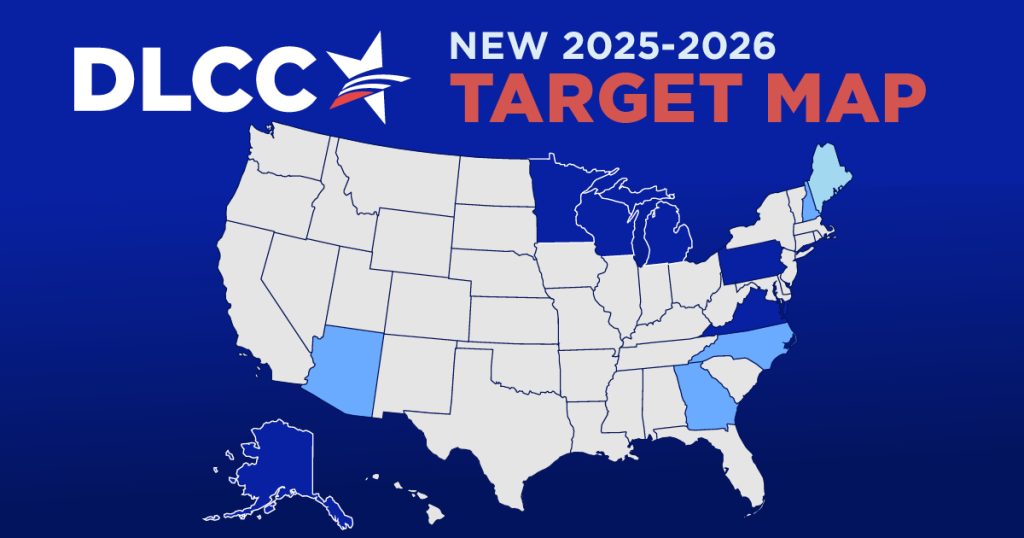


The DLCC Target Map 2025 2026 Democratic Legislative Campaign Committee 2025 Target Map Meta3 1024x538 . Road To 2026 Premium AI Generated Image Road 2026 1191615 18446 . 2026 World Map With Country Names Stable Diffusion Online 13616905 6b41 48fd A090 . Risk Map 2026 Global Travel Risks And Safety Trends Travel Outlook Is Risklines Monthly Update Key Travel Trends Emerging Risks And Important Events That May Impact Global Mobility. From Political Instability And Natural Disasters To . 2026 Senate Initial Outlook 270toWin 59gxLL


Interactive Map Year 2026 R . 2026 House Map Prediction January 2025 YouTube . Road To 2026 Journey To The Future Asphalt Highway Leading To A Road To Journey Future Asphalt Highway Leading Bright Sunset Year 342949432 . Introducing The 2026 Senate Interactive Map 270toWin Senate Incumbent . Taking A Look At The 2026 Senate Map YouTube


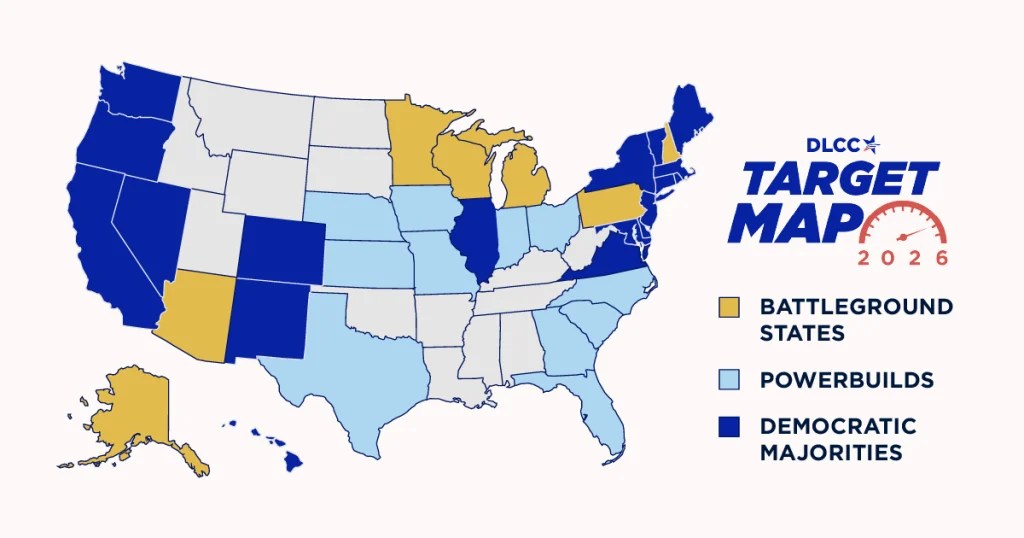


When Are The 2026 Elections . What Are The 2026 Midterm Odds . The DLCC Target Map 2026 Democratic Legislative Campaign Committee 2026 Expanded Target Map Web Inline 1024x538 . Introducing The 2026 Senate Interactive Map 270toWin Blank 2026 Senate Map . Walz Says He Will Protect Minnesota In First Speech Since Trump Win 2026 Senate Elections


RuneScape Ahead 2025 2026 Roadmap Review News RuneScape RuneScape Roadmap . World Cup 2026 Location Cities Worldcup Eng . 2026 World Cup Host Cities R Maps 2026 World Cup Host Cities V0 . Electoral Vote Com 2026 Map . Development To Success And Motivation In 2026growth And Development Development To Success And Motivation In 2026 Growth And Development Chart Of Company In New


2026 United States Elections TRUSA Wiki 1200px 2026 Senate Map . FIFA Unveils Logo For 2026 World Cup In North America SportsLogos Net Cities Map ESPN 1 . PHILIP S MAPS 2026 Philip S Big Road Atlas Of Brita Poche PRESALE Philips Maps 2026 Philips Big Road Atlas Of.webp. Women S Tour Down Under 2026 Route Stages Key Details World Today 595 80 . Events From March 1 2024 July 17 2024 Conferences Medical Denver 2026 Logo 2 Scaled


Risk Map 2026 In Diesen L Ndern Solltet Ihr Besser Keinen Urlaub Riskmap2026 C A3m Global. 2026 House Election Interactive Map 270toWin QjyNP6a . BRING ME THE HORIZON Announce North American Tour 2026 BRING ME THE HORIZON Announces North American Tour 2026 768x960 . CDL 2026 Competitive Settings Maps Modes And CDL 2026 Maps And Modes . Bring Me The Horizon Announce 2025 U S Tour Dates With Motionless In White Bring Me The Horizon 2025 Tour Dates 860x1074


World Cup Cities Map Map Of 2026 World Cup Venues Roadtrips Wcmap Schedule Scaled . Neue Arc Raiders Roadmap K Ndigt Neue Map An Das Steckt In Den Arc Raiders Zeigt Erste Roadmap Fur 2026 Bringt No Arc Raiders Zeigt Erste Roadmap Fur 2026 Bringt No. 2026 Winter Games Venues Maps RED MAPS Red Maps 2026 Winter Olympics Games Events Map 1200x1200 . World Cup 2026 Cities Map Free PowerPoint Template 2026 World Cup Cities 7 768x432 . 2026 FIFA World Cup Teams Location Selection Format Britannica 2026 Fifa World Cup Hosts Map Soccer Football