For anyone curious about global geography, understanding Pakistan's precise location on a world map is truly essential. This nation holds a significant geopolitical position, bridging South Asia and the Middle East, which deeply influences regional dynamics and international relations. Its unique borders touch diverse countries, creating a fascinating tapestry of cultures and landscapes. Many people often wonder about its exact coordinates or its proximity to well-known landmarks. Navigating its location helps clarify its historical context, current events, and economic relationships with neighboring states like India, Afghanistan, Iran, and China. Furthermore, locating Pakistan on a map reveals its diverse terrain, from the mighty Himalayan ranges in the north to the Arabian Sea coastline in the south. This geographical understanding provides critical insights into trade routes, climate zones, and even cultural diffusion across this vibrant part of the world. Exploring Pakistan's map presence is more than just finding a dot; it is about grasping its strategic importance and rich heritage within the global framework.
Latest Most Asked Info about Pakistan on a World MapNavigating global geography can sometimes feel a bit like a treasure hunt, especially when you`re trying to pinpoint a country`s exact spot and its broader significance. We know many of you are frequently searching for specific details about Pakistan`s position on the world map and what makes its location so geopolitically crucial. This comprehensive FAQ aims to address all your pressing questions, directly reflecting insights gleaned from top search queries and common curiosities. Consider this your ultimate living guide, meticulously updated to provide the most current and precise information available. We're diving deep into its geographic coordinates, neighboring nations, and immense strategic value within South Asia and beyond. Our goal is to offer clear, concise answers that are optimized for voice search and featured snippets, helping you gain a solid understanding of Pakistan's vital role on the global stage. This resource is designed to resolve your queries efficiently.
Geographical Placement and Neighbors
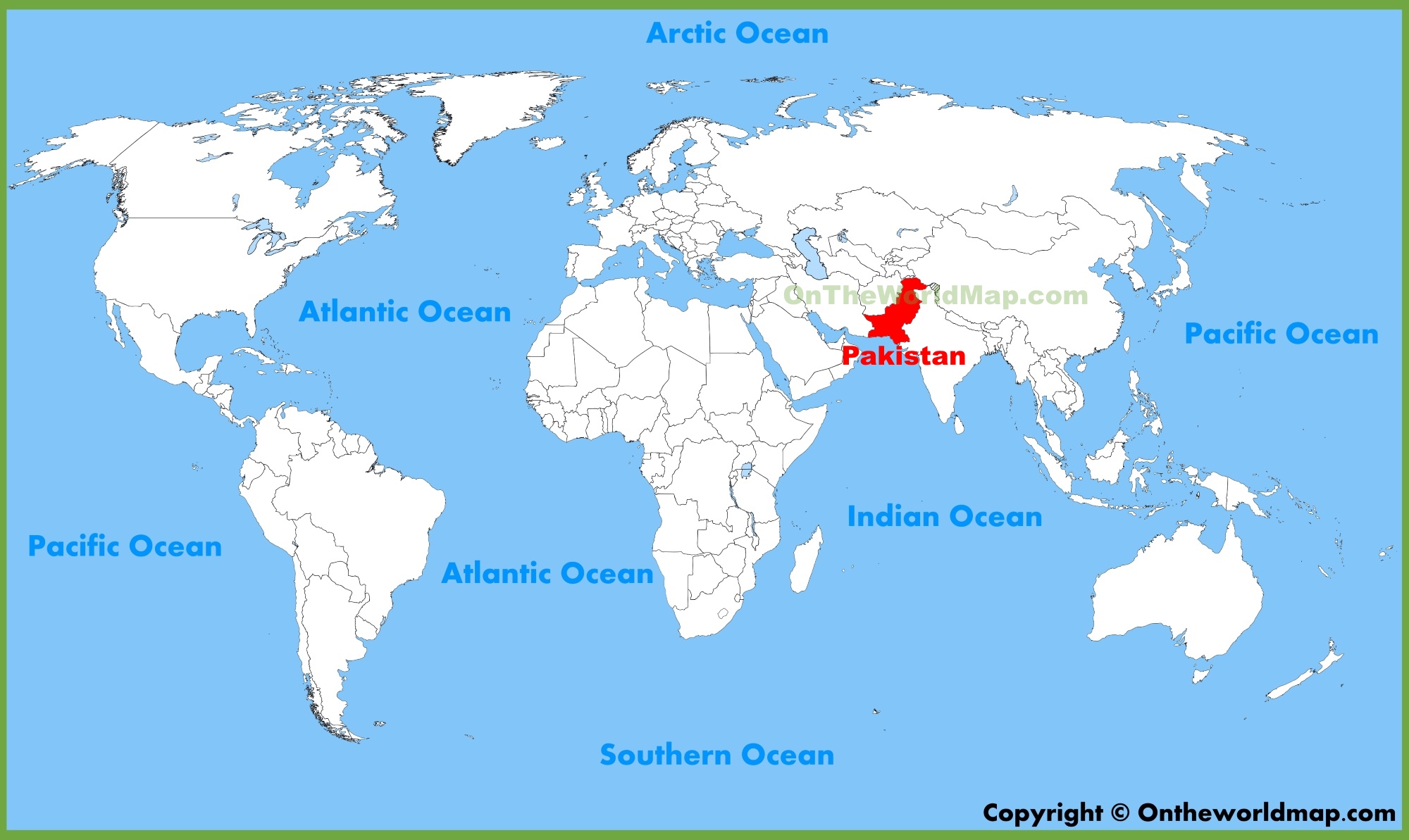
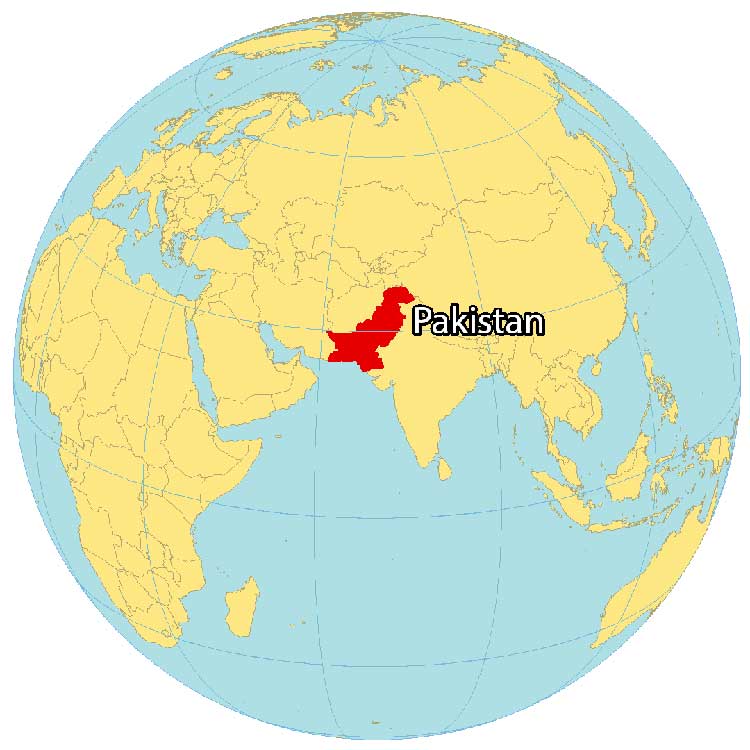
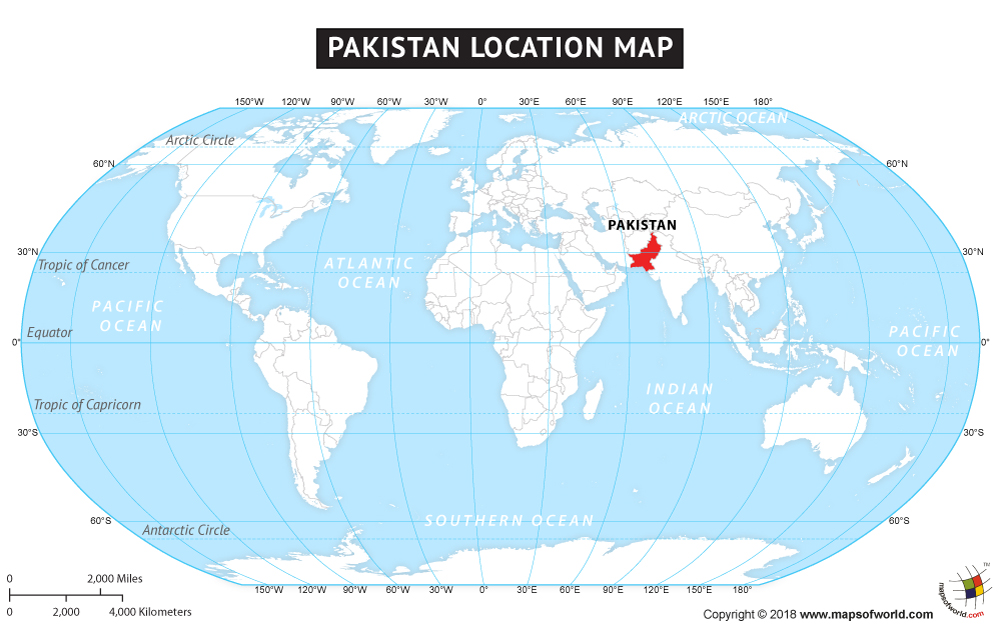
Where exactly is Pakistan located on the world map?
Pakistan is strategically positioned in South Asia, serving as a critical bridge between the Indian subcontinent and the Middle East. Its coordinates place it primarily between latitudes 24 and 37 degrees North, and longitudes 61 and 78 degrees East. This location gives it a diverse climate and landscape, connecting various cultural and economic zones. Finding it involves looking west of India and east of Iran, firmly within the Asian continent.
What countries border Pakistan?
Pakistan shares land borders with four distinct nations. To its east lies India, a long and historically significant frontier. To the west, it borders Afghanistan, particularly along the mountainous Durand Line. Further southwest, Pakistan shares a border with Iran. In the far northeast, it connects with China, notably through the high mountain passes of the Karakoram Range. These neighbors highlight Pakistan's complex regional ties.
Regional Identity and Physical Features
Is Pakistan in the Middle East or Asia?
Geographically, Pakistan is unequivocally located in South Asia. However, due to its cultural, historical, and geopolitical ties, it often maintains strong connections with the Middle East. Many perceive it as a bridge country, culturally influenced by both regions. Its identity is a blend, reflecting its unique position at this critical intersection, rather than solely belonging to one defined area.
What are Pakistan's major geographical features?
Pakistan boasts incredibly diverse geographical features. In the north, it hosts majestic mountain ranges like the Himalayas, Karakoram, and Hindu Kush, home to some of the world's highest peaks. The central region features the vast, fertile plains of the Indus River, the country's agricultural heartland. To the west and southwest, arid plateaus and deserts dominate the landscape. Finally, its southern border meets the Arabian Sea, offering a significant coastline and crucial ports.
Strategic Importance
Why is Pakistan's location strategically important?
Pakistan's location is strategically vital due to its position as a gateway connecting South Asia, Central Asia, and the Middle East. It lies on crucial energy transit corridors and historical trade routes, making it key for regional connectivity. Its Arabian Sea coastline, especially the deep-water Gwadar Port, offers significant maritime access. This geographical advantage positions Pakistan as a pivotal player in global and regional geopolitics, influencing trade and security dynamics.
What body of water borders Pakistan?
Pakistan is bordered by the Arabian Sea to its south. This body of water is a northwestern arm of the Indian Ocean, providing Pakistan with a substantial coastline. The Arabian Sea is essential for international trade, maritime routes, and access to global shipping lanes. Key ports like Karachi and Gwadar leverage this vital marine access, facilitating economic activities and defense operations for the nation.
Still have questions about Pakistan's place on the global map? Drop them below! Perhaps you're wondering, "How does the China-Pakistan Economic Corridor (CPEC) leverage Pakistan's geography?" CPEC is a collection of infrastructure projects under the Belt and Road Initiative, significantly utilizing Pakistan's unique location to create a vital trade route connecting China to the Arabian Sea via Gwadar Port. This project profoundly enhances regional connectivity and economic growth.
Hey everyone! So, I`ve seen a lot of folks asking, "Where exactly is Pakistan on a world map?" And honestly, it`s a great question because understanding its location really helps you grasp so much more about global news and culture. I mean, it's not always super obvious if you aren't familiar with that part of the world, right? But trust me, once you pin it down, you'll see how strategically important this country actually is. We`re going to break it all down simply today. It connects so many different regions.
Finding Pakistan on a world map is actually pretty straightforward once you know where to look. It sits firmly in South Asia, acting as a critical bridge between that region and the Middle East. This position gives Pakistan immense geopolitical significance, influencing many international discussions. You'll find it west of India and east of Iran, a truly central location. Its unique geography makes it a fascinating place to explore.
Understanding Pakistan's Core Geography
When you`re looking at a global map, Pakistan really stands out due to its diverse geographical features. Its northern reaches boast parts of the mighty Himalayas, Karakoram, and Hindu Kush mountain ranges. These towering peaks are home to some of the world's highest mountains. Traveling south, you`ll find vast plains irrigated by the Indus River system. This river is truly the lifeline of the country, supporting agriculture and a large population. Further west, you`ll encounter arid plateaus and deserts, which present their own unique challenges and beauty. The southwestern coast borders the Arabian Sea, providing important port access and maritime trade routes for the nation. It`s a land of incredible contrasts, honestly.
Key Neighboring Countries and Borders
Pakistan shares its borders with several key countries, each impacting its regional identity and relationships. To the east, it shares a long and historically significant border with India. This boundary is often a topic of international interest and discussion. To the west, Pakistan borders Afghanistan, which has deep historical and cultural ties. Further southwest, it shares a border with Iran, facilitating trade and cultural exchange between these two nations. In the far north, Pakistan has a border with China, which is strategically important for both countries. This border region includes the famous Karakoram Highway, a marvel of engineering. These connections truly highlight its pivotal regional role. You can see how complex its neighbors are.
- India: Located to Pakistan's east, sharing a long land border.
- Afghanistan: Situated to the west, sharing a mountainous and often rugged frontier.
- Iran: Lies to the southwest, forming part of Pakistan's western border.
- China: To the far northeast, connected by high mountain passes like the Khunjerab Pass.
Why Pakistan's Location Matters Globally
Honestly, Pakistan's geographical position isn't just a point on a map; it's a huge deal for global politics and economics. The country is often seen as a gateway between various critical regions, connecting South Asia, Central Asia, and the Middle East. This strategic spot makes it a crucial player in energy transit routes and trade corridors. For instance, the Gwadar Port offers deep-sea access, which is super important for regional maritime trade. It also sits along historical trade routes, reflecting centuries of interaction. This location also puts Pakistan at the forefront of many international security conversations. It influences global stability in so many ways. The international community definitely watches this region closely.
Historical and Modern Significance
From ancient civilizations to modern-day geopolitics, Pakistan's location has always played a central role. Historically, it was a crossroads for various empires and cultures, facilitating the exchange of ideas and goods. Think about the Silk Road; parts of it ran right through this region. In contemporary times, its proximity to critical energy resources and major trade routes elevates its importance. Pakistan is a significant ally in counter-terrorism efforts, adding to its global standing. The ongoing developments like the China-Pakistan Economic Corridor, or CPEC, further underscore its growing economic relevance. These projects are changing the regional landscape quite dramatically. It's truly a dynamic part of the world.
So, there you have it! Pakistan isn't just a country; it's a geographically significant entity linking diverse parts of the world. I really hope this helps clarify things on the map. Does that make sense? What else are you trying to figure out about its location or influence?
Pakistan's strategic location connects South Asia and the Middle East. It shares borders with India, Afghanistan, Iran, and China. The country features diverse geography from mountains to coastline. Its position is crucial for regional and international geopolitics. Understanding its map location provides insight into its history and current affairs.



Pakistan Location On The World Map Pakistan Location Map . Pakistan Maps Facts World Atlas Pk 02 . Pakistan Map Where Is Pakistan In The World . Asia Map Pakistan Pakistan World Map . Location Of Pakistan On World Map Map Of Rose Bowl Pakistan Map Boundaries Cities Locator


Pakistan Map Map Of Pakistan Collection Of Pakistan Maps Pakistan Location Map . PowerPoint Pakistan On World Map Pakistan On World Map Slide1 . Political Map Of Pakistan Pakistan Provinces Map Pakistan Political Map Pakistan Political Map 1000px . World Map Pakistan Stock 258644630 Stock Photo World Map Pakistan 258644630 . Pakistan S Map Continues To Shape Its Destiny OpEd Eurasia Review A 332 800x445


Show Pakistan On World Map Image To U Map Shows Pakistan Neighboring Countries Borders National Capital Pakistan Political World 216643918 . What Is A Wireframe Map And Why Is It Essential For 2026 13616905 6b41 48fd A090 . Pakistan Detailed Blue Country Map With Cities Regions Location On Pakistan Detailed Blue Country Map Cities Regions Location World Globe Infographic Icons Vector 277990857 . Maps Of Pakistan Detailed Map Of Pakistan In English Tourist Map Of Large Map Of Pakistan . Map Of Pakistan Pakistan 01 Generated


Pakistan Map HD Political Map Of Pakistan Pakistan Provinces And Capital Map . KSA Kingdom Of Saudi Arabia And Pakistan Flag Waving With The World Ksa Kingdom Of Saudi Arabia And Pakistan Flag Waving With The World Map Seamless Loop In Wind 3d Rendering Free Video . Pakistan Political Map Hi Res Stock Photography And Images Alamy Pakistan And Political Map With Flag HKEGA7 . Pakistan Maps PAK Populatrion . Pakistan Arts Culture Heritage Britannica Pakistan Map With States Name Free Vector


Pakistan And China Flag Waving With The 3D World Map Seamless Loop In Pakistan And China Flag Waving With The 3d World Map Seamless Loop In Wind 3d Rendering Free Video . Pakistan Maps Facts World Atlas Pk 04 . Detailed Divisions Map Of Pakistan Pakistan Asia Detailed Divisions Map Of Pakistan Small . Dorla Kemp Provinces Of Pakistan Map . Cities Map Of Pakistan OrangeSmile Com Pakistan Map Cities 0


Pakistan Labour Taxation Economy Britannica Pakistan Map Features Locator . Close Up Of A World Map With The Border Between India And Pakistan In Close Up World Map Border India Pakistan Focus Close Up World Map Border India 265871060 . What Is Happening Between India And Pakistan World News Sky News Skynews Kashmir Pakistan India 6908941 . Indian Premier League And Pakistan Super League Suspended Over Rising Skynews Kashmir India Pakistan 6909248 . Pakistan Makes History At 2026 Fifa WC Qualifiers Pak 0



Pakistan Highlighted On A World Map Stock Image Image Of Detail Pakistan Highlighted World Map 358784929 . Printable Pakistan Map Basic June 2026 Calendar . Pakistan Warns Direct Conflict With India Imminent Fox News Pakistan 4 . Pakistan Politics Democracy Britannica World Data Locator Map Pakistan . 2 453 Pakistan On World Map Gambar Foto Stok Vektor Stock Vector Pakistan On Detailed World Map With Overlay Pakistan Flag The Location Of The Country Of Pakistan 1623364345