Ever wondered why the United States looks so different on various world maps Well you are not alone Exploring the United States position on a world map offers fascinating insights into geography political influence and cultural spread This is not just about locating a country it is about understanding its relative size its oceanic borders and its crucial role in global connections From Mercator projections to Peters or Winkel Tripel how a map is drawn profoundly impacts our perception Discover how the US is depicted what these depictions mean for international relations and why accurately placing it on the world stage matters significantly for both educational purposes and geopolitical analysis We will dive into how different map representations can shape our understanding of American influence and its interactions with neighboring nations and continents providing a comprehensive view for any curious mind This information is key for any interested party to comprehend
Latest Most Asked Questions about World Map with United StatesCommon Questions About the US on World Maps
Where is the United States located on a typical world map?
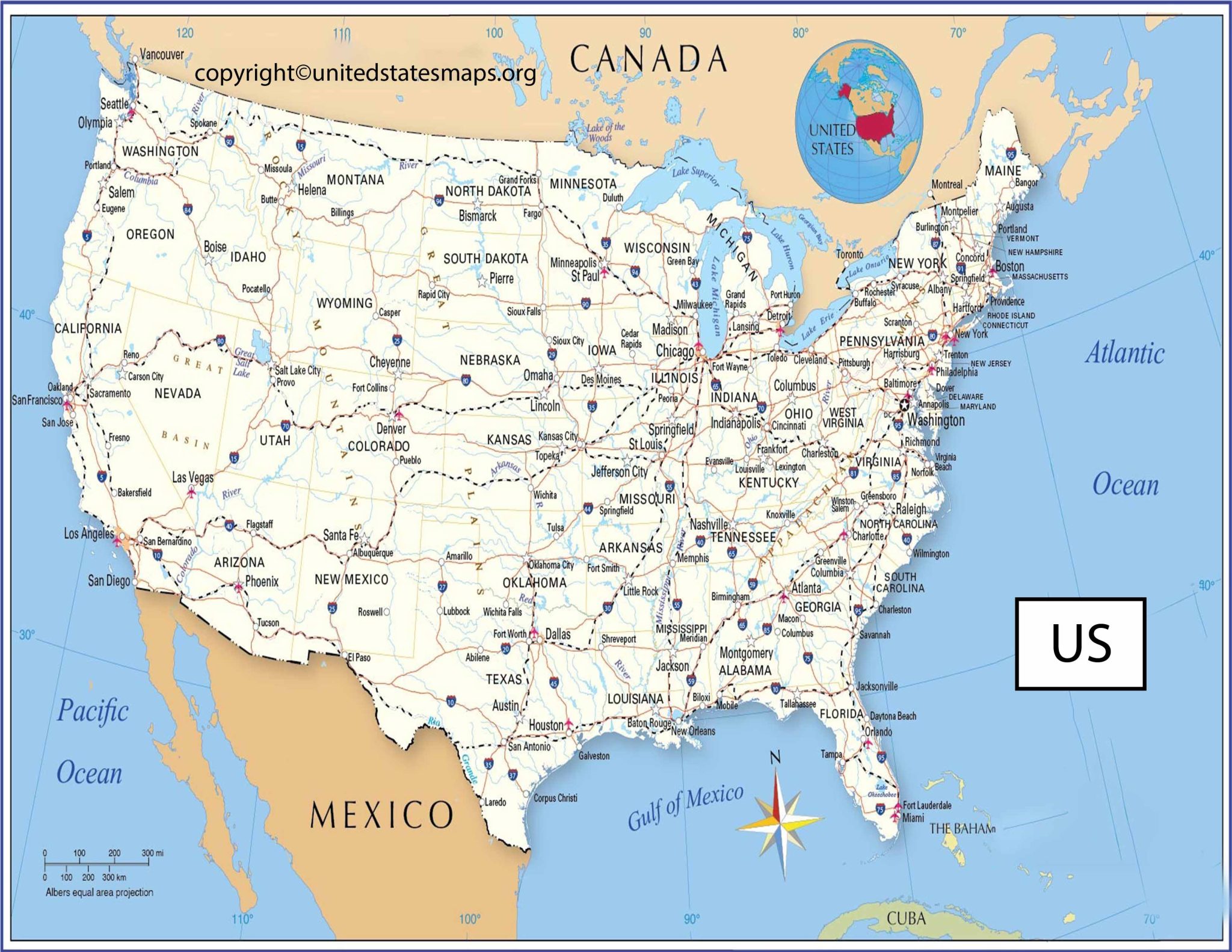
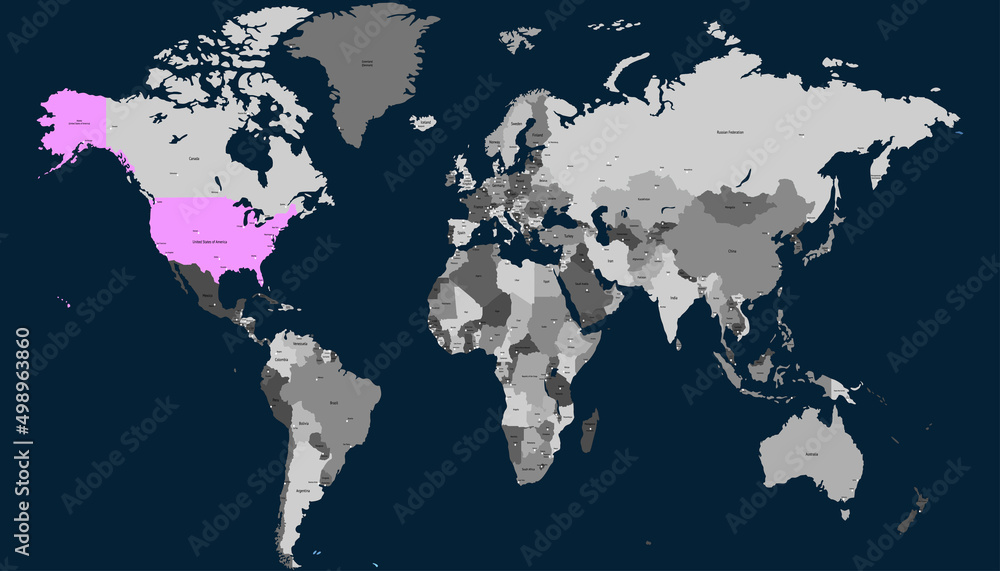
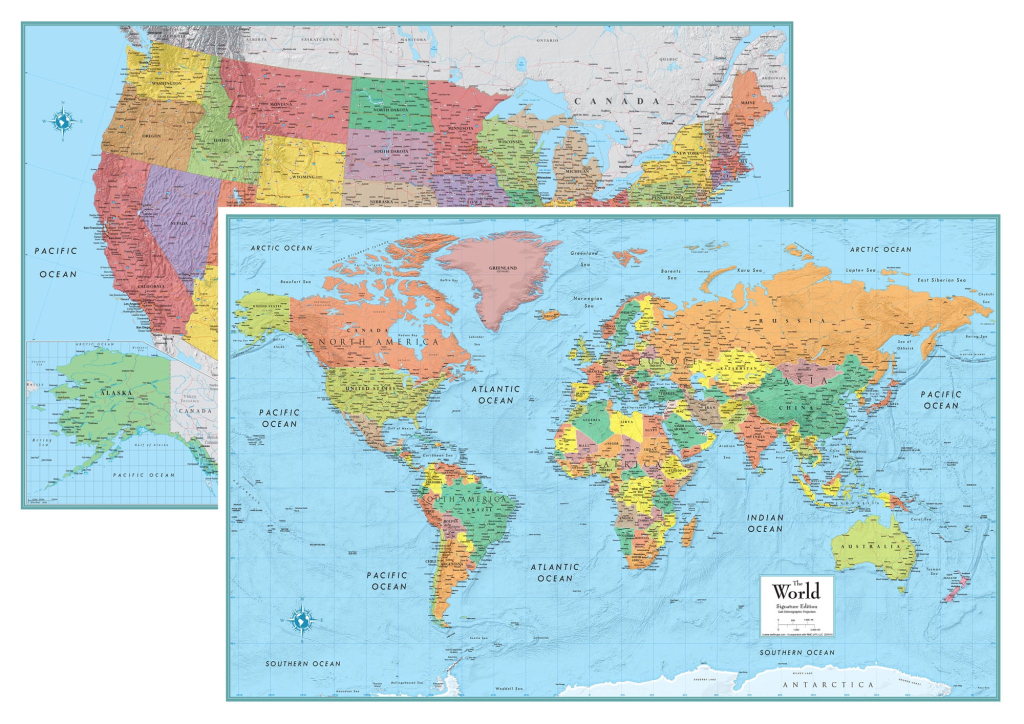
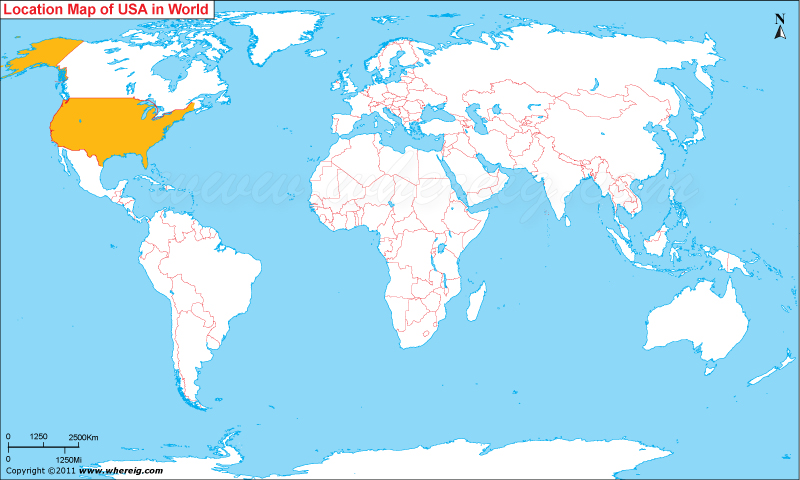
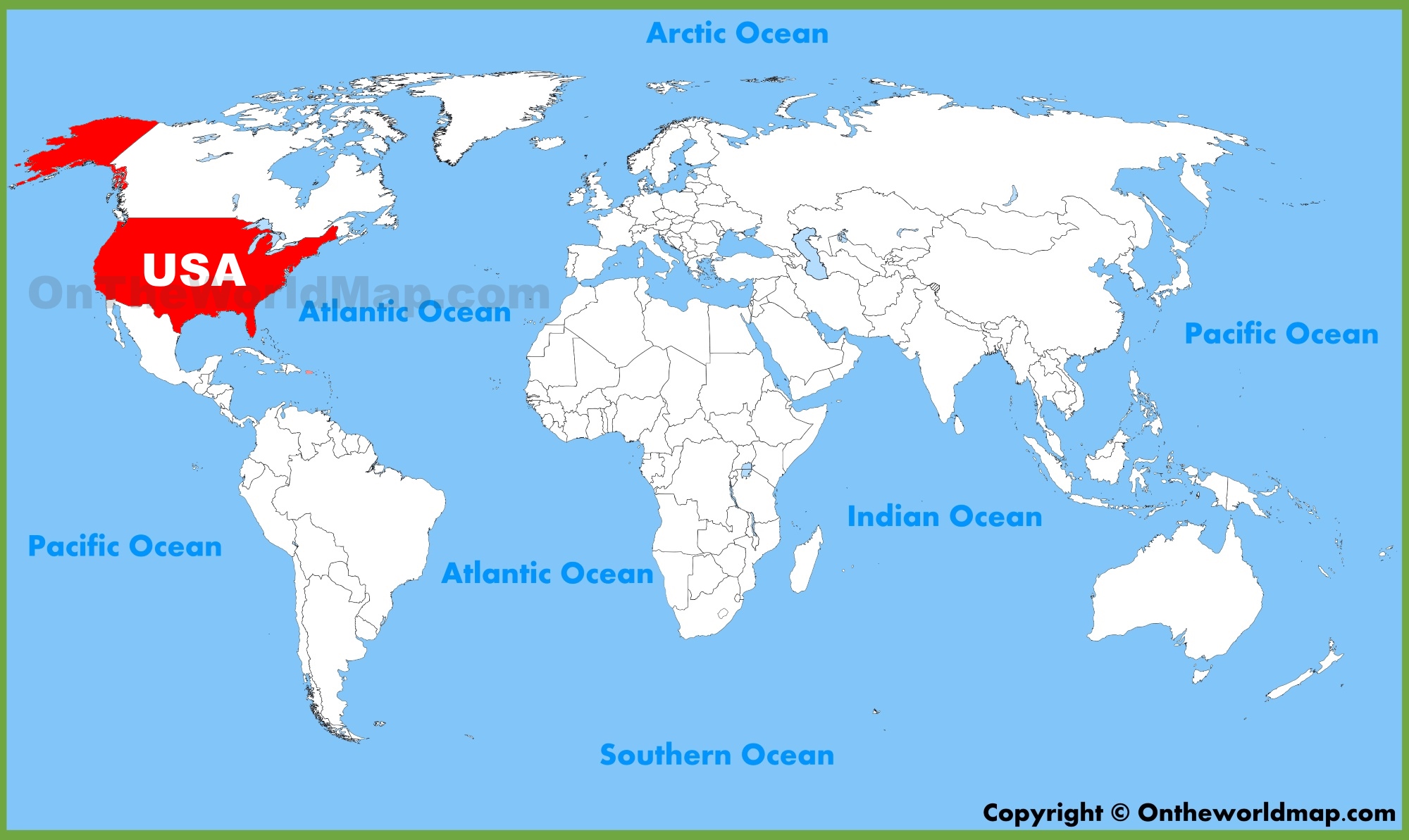
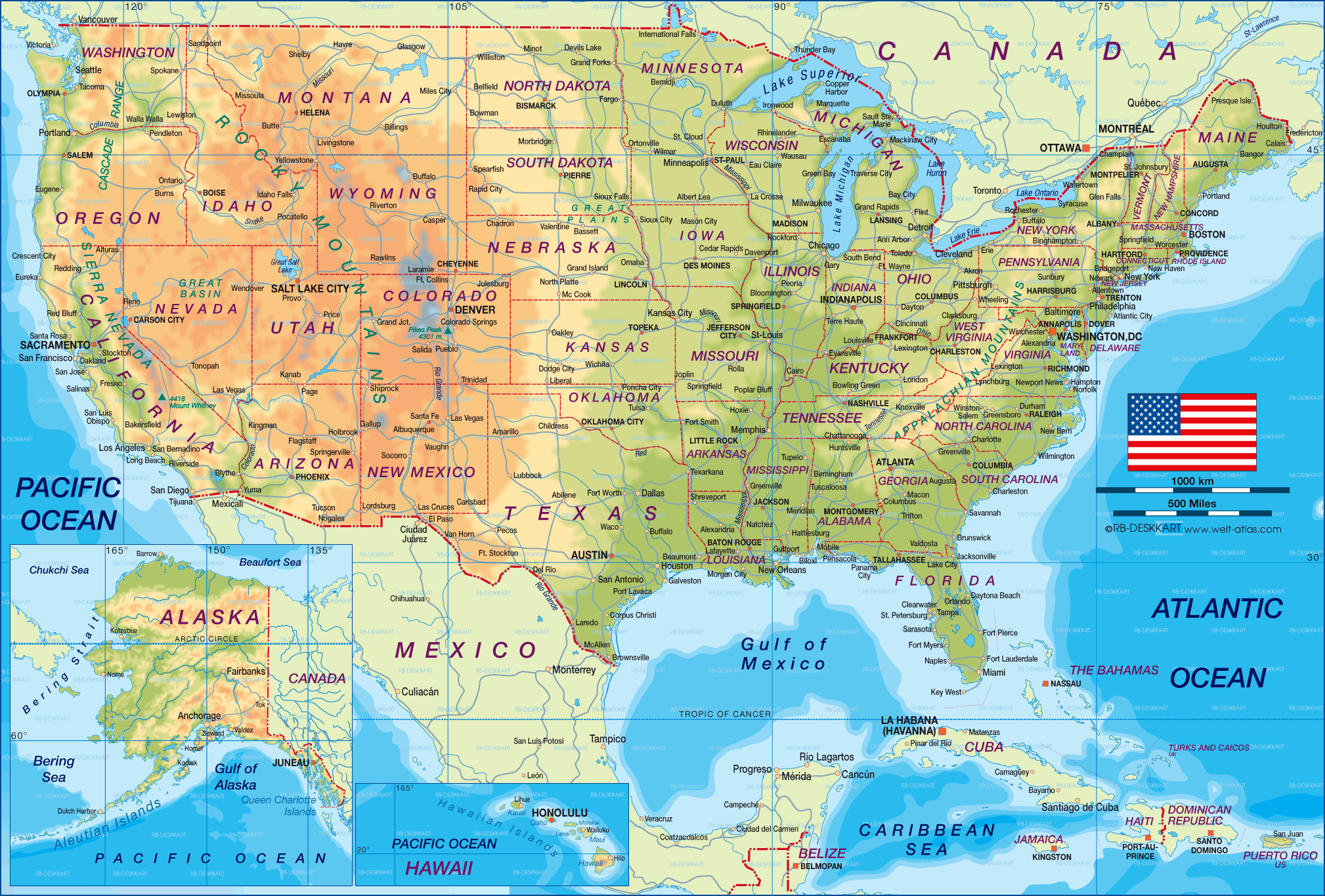
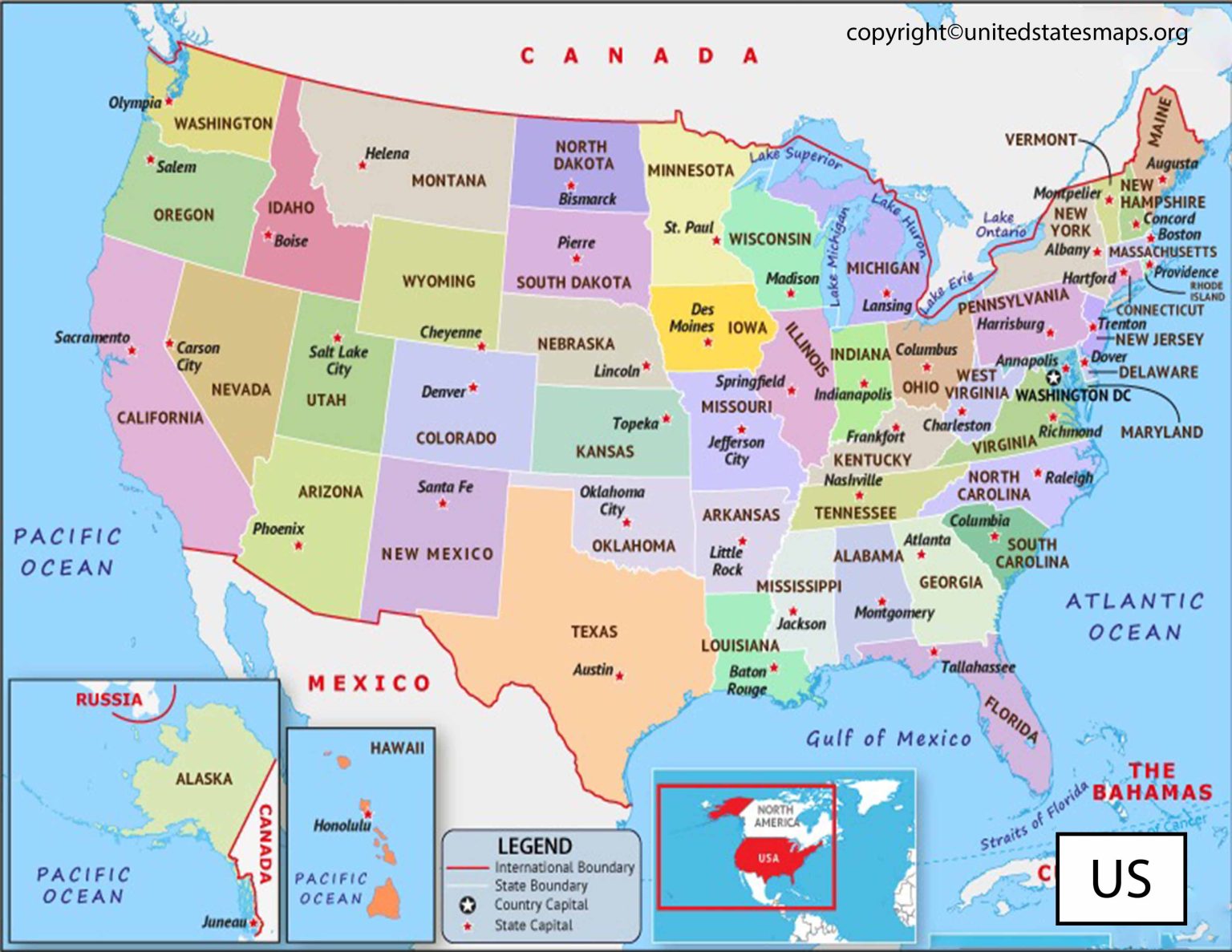
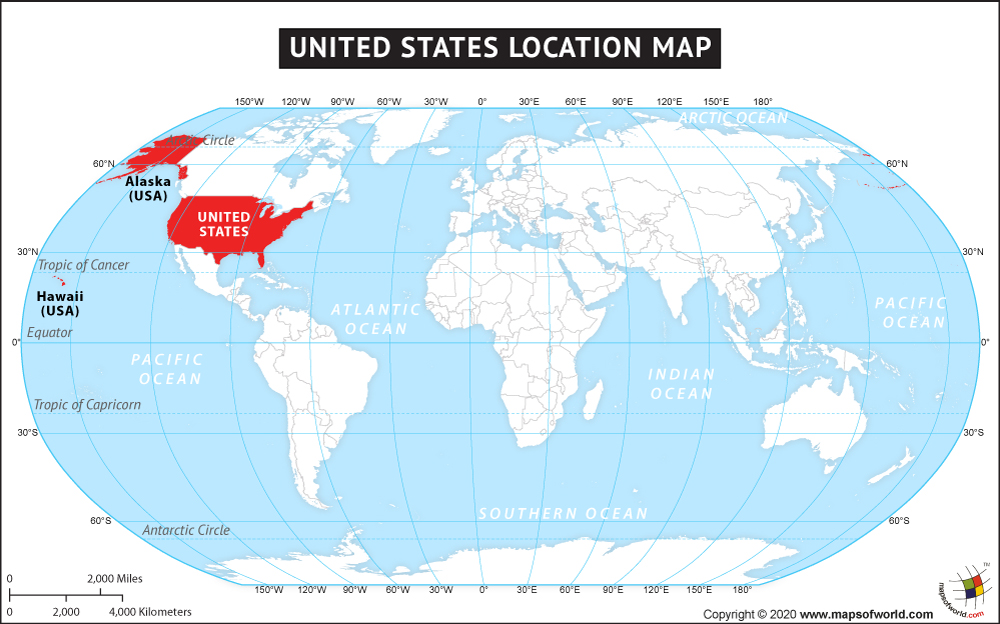
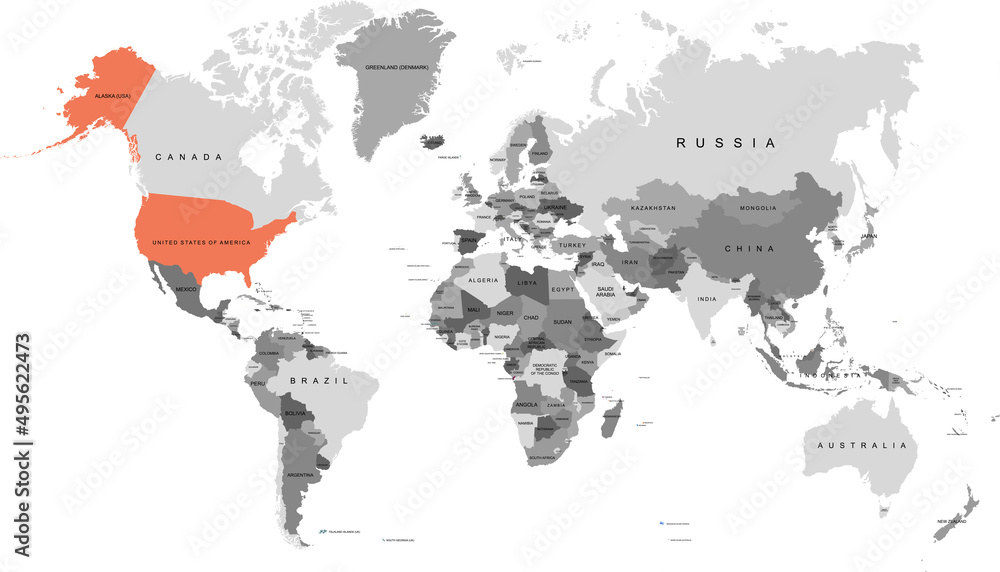
The United States is primarily located in North America. It stretches from the Atlantic Ocean on its east coast to the Pacific Ocean on its west coast. To its north lies Canada, and to its south is Mexico, making it a central figure in the Western Hemisphere. This prominent position gives it vast oceanic and land borders.
Why does the United States appear different sizes on various world maps?
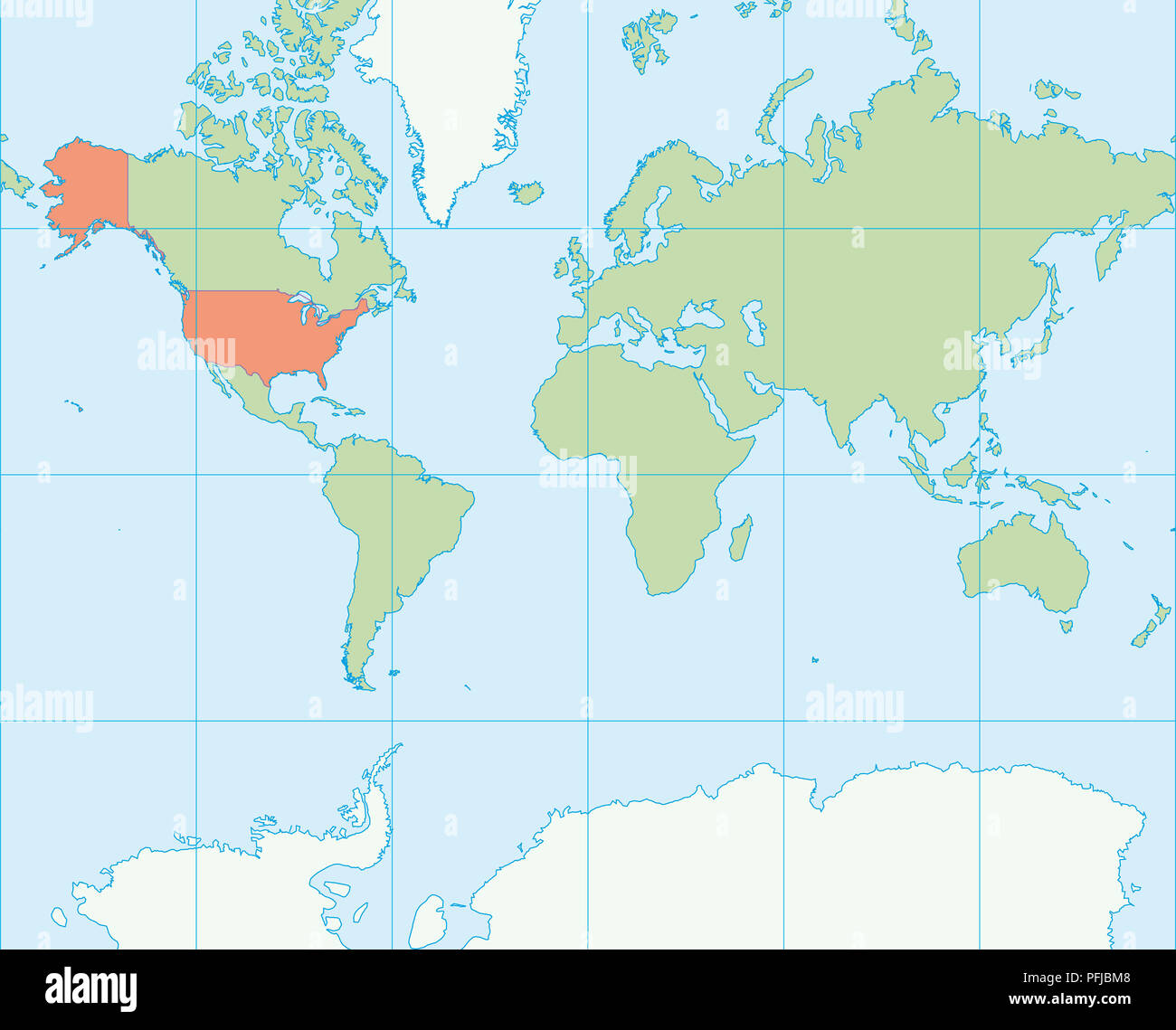
The perceived size of the United States changes due to different map projections used by cartographers. For instance, the Mercator projection, common in older maps, distorts landmasses farther from the equator, making the US appear larger than its actual relative size, especially states like Alaska. Projections like Winkel Tripel offer more area-accurate representations. This is a common point of confusion for many viewers. Related search: Map projection effects on USA size.
What are the major oceans bordering the United States?
The United States is bordered by the Atlantic Ocean to its east and the Pacific Ocean to its west. Additionally, its northernmost state, Alaska, has coastlines along the Arctic Ocean. These three ocean borders are strategically vital for trade, defense, and climate, providing extensive access to global waterways. This dual-ocean access is a significant geographical advantage.
How does the US geographical position impact its global role?
The United States' extensive geographical span, bridging two major oceans, significantly enhances its global economic and geopolitical influence. Its direct access to shipping lanes across both the Atlantic and Pacific facilitates robust international trade and allows for military projection worldwide. This strategic location makes it a key player in global commerce and diplomacy. Resolve: US strategic location benefits.
Which countries share a land border with the United States?
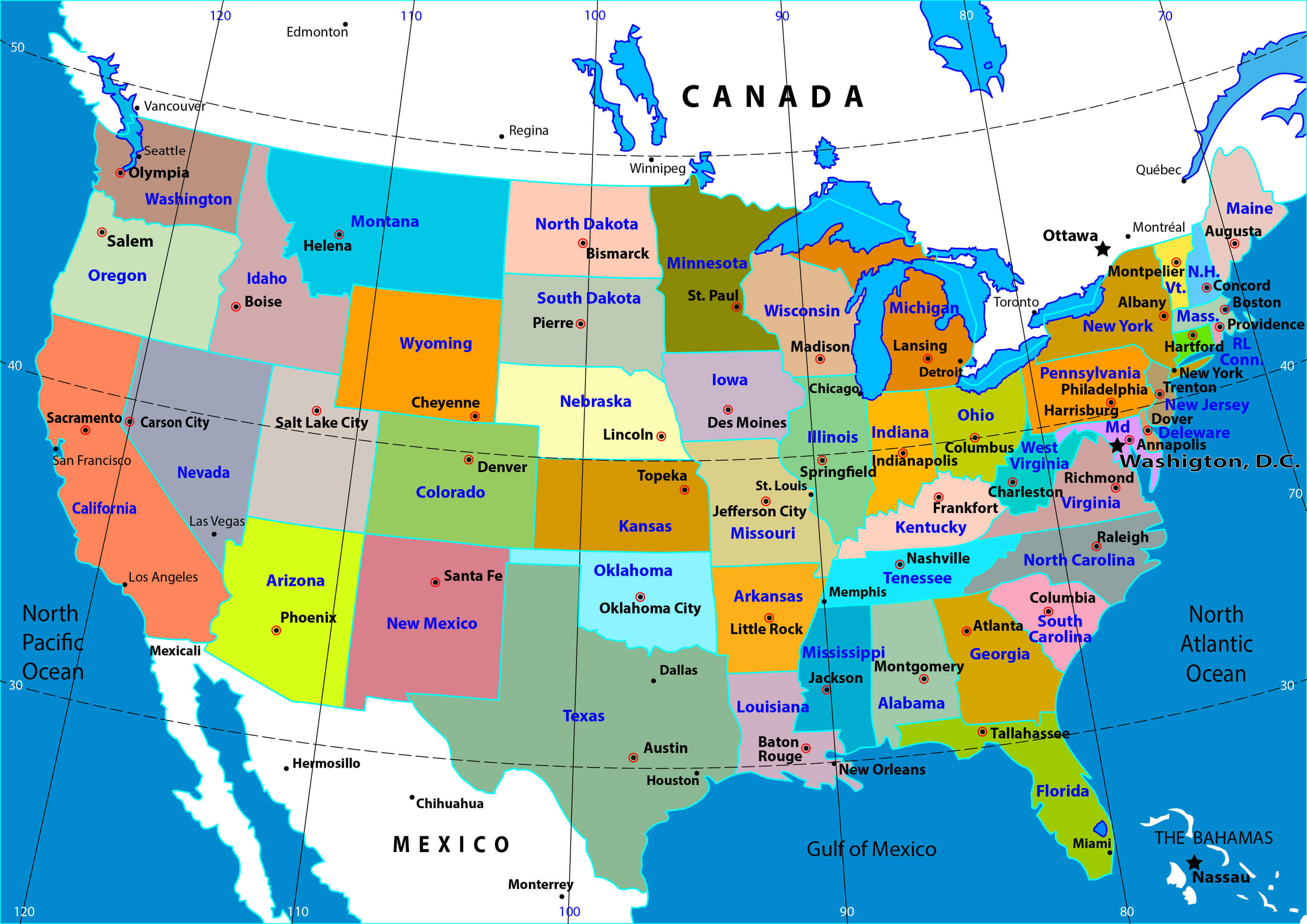
The United States shares its land borders with two neighboring countries: Canada to the north and Mexico to the south. The border with Canada is the longest international land border in the world, while the border with Mexico is a major hub for commerce, migration, and cultural exchange. These shared borders define significant regional dynamics. Understanding these boundaries is crucial.
What is the capital city of the United States, and where is it on a world map?
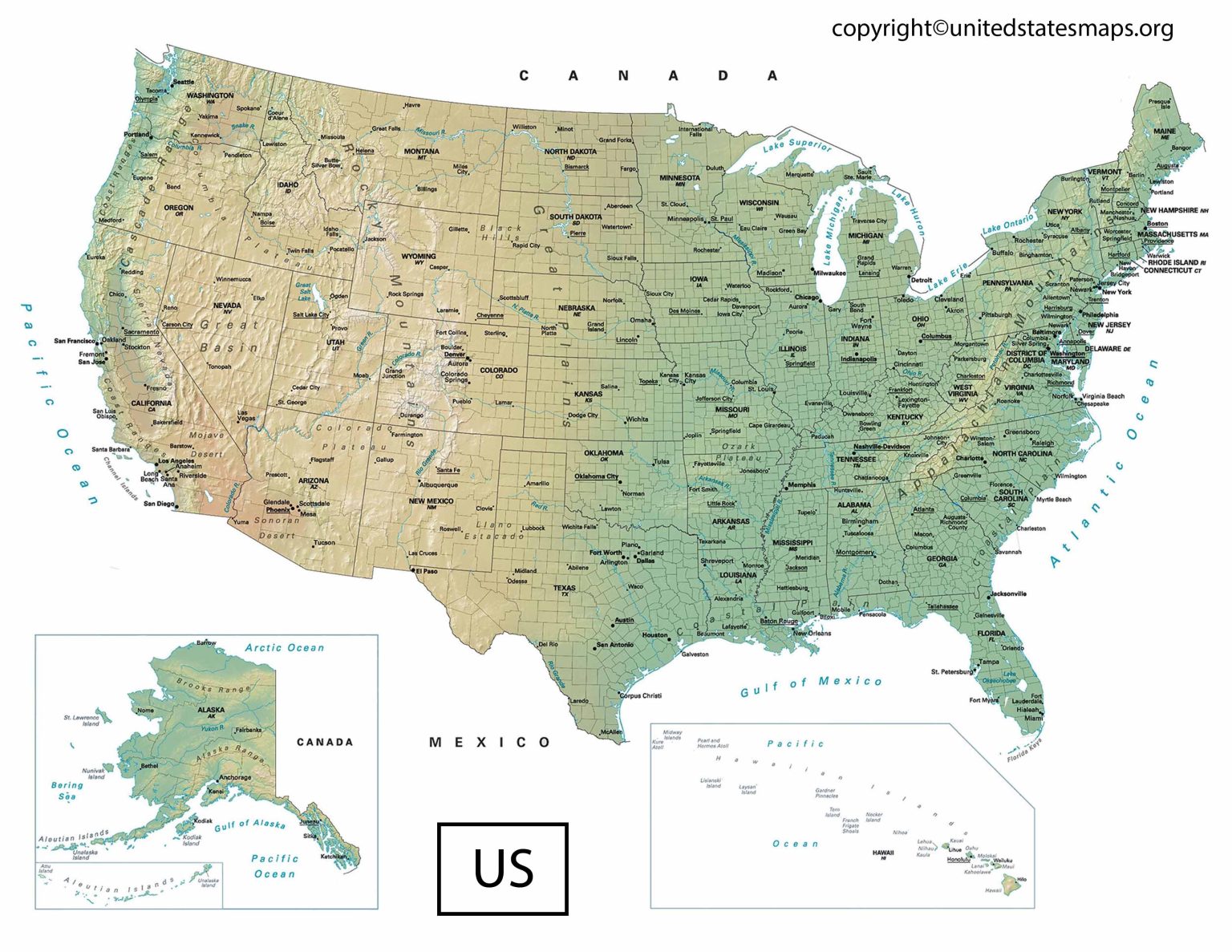
The capital city of the United States is Washington, D.C. It is located on the East Coast of the country, along the Potomac River. When looking at a world map, you would typically find it roughly midway down the Eastern Seaboard, situated between the states of Maryland and Virginia. It is not part of any state, operating as a federal district. This spot is a hub of political power.
Is Hawaii considered part of the United States on a world map?
Yes, Hawaii is an integral part of the United States, appearing on a world map as a chain of islands in the central Pacific Ocean. Though geographically separate from the mainland, it is the 50th state. Its remote location offers strategic importance and showcases the expansive reach of the US territory. It's often shown in an inset map for clarity. This demonstrates the US presence far into the Pacific.
Still have questions about the U.S. on a world map? Drop a comment below! One popular related question often asked is 'What's the best map projection for showing accurate country sizes?'So, you're probably asking, "What's the real deal with the United States on a world map?" Honestly, it's a super common question these days. I get asked about it a lot when people truly start digging into global geography. How a country appears on any map can seriously change your perspective. It affects thoughts about its actual size and important place in the entire world. And let's be real here, the United States is a truly massive country. It has a huge global footprint, so its visual representation on any map really matters.
When you look at a world map with the United States highlighted, it's not just a simple outline. It actually shows us much more than just where it is physically located. We’re talking about its strategic position relative to other major continents. This affects everything from global trade routes to shifting climate patterns. Understanding these placements helps us grasp worldwide connections much better.
I think it’s important to remember that not all world maps are exactly the same. Different map projections can make continents look bigger or smaller than their true size. This distortion can be a bit confusing if you’re trying to get an accurate sense of scale. Honestly, it's a common visual trick that many people often overlook when quickly glancing at a map.
The Many Faces of the US on a Map
Have you ever noticed that Greenland looks huge on some maps, maybe even appearing bigger than Africa? But that's just not true in reality at all. This is a classic example of how map projections can really mess with our basic perceptions. The Mercator projection, which is super common, distorts landmasses as they get further from the equator. So, countries like the U.S. can appear quite a bit larger at higher latitudes.
Mercator's Impact Distortion and Perception
The Mercator projection was originally designed for precise navigation at sea. It truly makes areas near the poles appear stretched out and often elongated. For the United States, this specifically means Alaska often looks incredibly massive on these types of maps. This historical projection, while helpful for sailors, gives a truly skewed view of actual land area. It’s kind of a visual illusion, you know?
It's important to remember that these distortions are an unavoidable part of mapping a sphere onto any flat surface. There’s no perfect way to do it without some kind of inherent trade-off. So, seeing the U.S. in different scales on various maps isn't a mistake; it's simply a choice of projection. But it’s definitely something to always be very aware of.
Seeking Accuracy Other Projections
Other map projections, like the Winkel Tripel or Gall-Peters, try to offer a more balanced view. The Winkel Tripel, for instance, aims to minimize distortion of area, direction, and distance all at once. It provides a much more visually accurate representation of the United States' true size. Honestly, it’s a much fairer way to compare landmasses globally.
- The Gall-Peters projection focuses solely on displaying land areas accurately, which can make the U.S. look less elongated.
- Many educational institutions now often prefer these alternative maps for teaching global geography.
- It helps students truly get a better understanding of actual country sizes and global relationships.
- Switching up the maps we use helps challenge common misconceptions about global geography.
Geographic Realities Location and Neighbors
Beyond how it looks, the actual geographic position of the United States is incredibly strategic. It spans a vast area from the Atlantic to the Pacific oceans, giving it immense economic and military advantages. This two-ocean access is a really big deal for international trade and defense efforts. It really shapes much of its current foreign policy, I think.
Land Borders Canada and Mexico
The United States shares long and significant borders with Canada to the North and Mexico to the South. These shared land borders are incredibly active economically, politically, and culturally every single day. So much daily interaction happens along these lines, affecting millions of lives and livelihoods. Understanding these complex relationships is truly crucial to grasping the U.S. global role fully.
- The Canadian border is widely recognized as the longest international land border in the world.
- The Mexican border is a significant area for migration, active trade, and vibrant cultural exchange.
- These land connections facilitate massive cross-border commerce and tourism continuously.
- Both relationships are fundamental to the long-term economic stability of the entire continent.
Oceanic Reach Atlantic Pacific Arctic
With coasts on both the Atlantic and Pacific, the U.S. has unparalleled access to global shipping lanes. This means it has direct trade routes to Europe, Africa, and Asia, which is pretty powerful for business. It really solidifies its position as a major player in international commerce. I've seen firsthand how absolutely vital these bustling ports are.
And let's not forget about Alaska, the largest state, and its northern coastline. It fronts the Arctic Ocean, which is becoming increasingly important due to climate change. This provides additional strategic access and potential resource development. So, its reach extends far beyond just two oceans, you know.
Beyond Borders US Territories and Global Influence
The United States' global footprint extends far beyond its contiguous 48 states. Its various territories and commonwealths play a crucial role in its overall international presence. These areas are strategically important for both defense and diplomatic outreach. They definitely add layers to understanding America's reach.
Remote Outposts Hawaii and Alaska
Hawaii, sitting smack dab in the middle of the Pacific Ocean, provides a crucial strategic outpost for the U.S. military. It’s definitely a key piece of the puzzle for understanding America’s Pacific presence and influence. It extends its diplomatic reach far beyond the mainland, that's for sure. Alaska, while connected to North America, feels remote and is vital for Arctic strategy and resources.
- Hawaii is a critical naval base, supporting operations across the Pacific Rim.
- Alaska's proximity to Russia and vast oil reserves make it geopolitically significant.
- Both states bolster the U.S.'s presence in vast oceanic regions.
- They contribute immensely to national security and resource diversity.
Island Territories Puerto Rico Guam etc
Beyond states, the U.S. has several island territories scattered across the Caribbean and Pacific. Places like Puerto Rico, Guam, and the U.S. Virgin Islands are incredibly important. They offer unique cultural identities and strategic locations. These territories truly amplify America's diverse global reach and influence. They’re often overlooked but essential components of the U.S. map.
- Puerto Rico serves as a vital economic and cultural link in the Caribbean.
- Guam is a key strategic military asset in the Western Pacific Ocean.
- These territories offer diverse perspectives within the broader American identity.
- They represent significant humanitarian and defense responsibilities for the United States.
Cultural and Educational Insights
The way we visualize the United States on a world map truly impacts our cultural and political perceptions. It influences how we think about its power, its alliances, and even its responsibilities on the global stage. It’s not just lines on paper; it's how we understand our interconnected world. These maps definitely tell a complex story, you know?
Challenging Misconceptions
Honestly, teaching kids and adults about proper map projections is vital for global literacy. It helps combat ethnocentric views and promotes a more accurate understanding of the world’s true proportions. Getting this right in schools is incredibly important for future generations. We truly need to foster a clearer global understanding among everyone. It is a critical educational goal.
- Understanding map distortions helps prevent biased views of global power.
- It encourages critical thinking about how information is presented to us.
- Proper cartography education promotes a more informed global citizenry.
- Challenging old map habits builds a more equitable world view.
Voice of Authority Maps and Data
Using diverse maps also helps us appreciate the scale and proximity of other nations relative to the United States. It encourages a more nuanced perspective on international relations and global challenges. Because let's be honest, the world is a lot smaller than some maps make it seem. We should always seek out maps from authoritative sources like national geographic. What exactly are you trying to achieve with your map research?
USA geographic location, map projection effects, global scale representation, geopolitical context, cultural perception, cartographic accuracy, educational importance
35

2026 FIFA World Cup United States Of America World Map Country PNG 2026 Fifa World Cup United States Of America World Map Country Png Favpng . Interactive Map Year 2026 R . 2026 FIFA World Cup United States World Map PNG 1280x548px 2026 Fifa 2026 Fifa World Cup United States World Map Png Favpng . US World Map United States World Map With States World Map Of USA 2048x1583 . World Map United States Of America Map USA Stock Vector Adobe Stock 1000 F 498963860


Rmc Signature United States Usa And World Wall Map Set Laminated Rmc Signature United States Usa And World Wall Map Set Laminated World Map Of Usa With States . American World Map Where Is United States Us On Map . Map Of The World In 2026 In My Parallel Universe By Map Of The World In 2026 In My Parallel Universe By Dgcslsz Pre . US World Map United States World Map With States US World Map 1536x1187 . Vector World Map Geography Of United States High Res Vector Graphic Vector World Map Geography Of United States


USA Location On The World Map Com Usa Location Map . Flag Map Of The World 2026 By On DeviantArt Dg0f5c7 72556987 3fee 487a 8710 . United States Of America On World Map Very Detailed Handdrawn World Map United States Of America On World Map Very Detailed Hand Drawn World Map United States On . Usa Rundreise 2026 United States Of America De United States Map . Now That 2026 Host Cities In North America Have Maps On The Web

USA Spotlight Exploring The World Map Map Of The World United States Of America Highlighted In Red PFJBM8 . World Cup 2026 Thirteen Different Kick Off Times At Next Year S 0450c070 D418 11f0 8c06 . Map Of United States The USA General Map Region Of The World Karte 0 9013 . US World Map United States World Map With States World Map Of United States Of America 1536x1187 . Usa 2026 World Cup United States Map Images De United States Of America Map With Border Countries Free Vector


Usa World Map USA Location Map . Usa 2026 World Cup United States Map Images De Map Of United States . Usa 2026 World Cup United States Map Images De Usa Political Map . North America To Host 2026 World Cup . 2026 United States House Of Elections Wikipedia 600px 2026 United States House Of Elections Retirements Or Losses Of Map.svg


.png/350px-2026_US_House_map_(Zypherism).png)
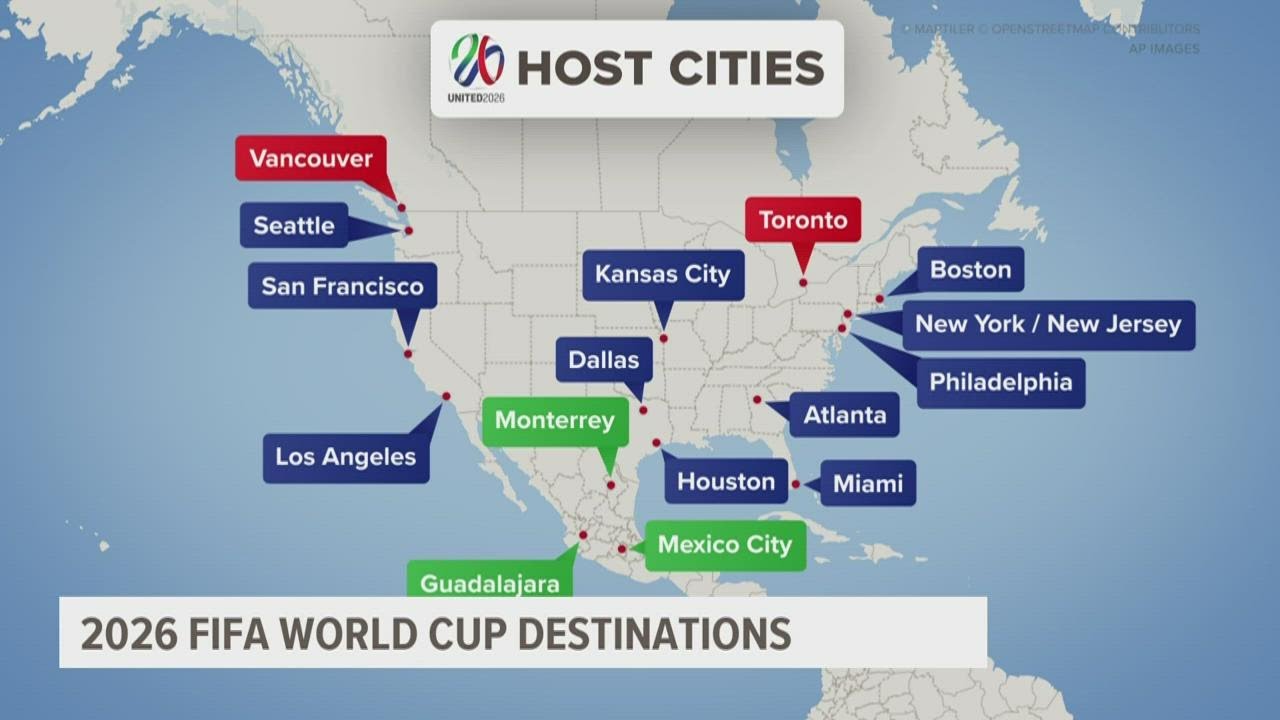
World Cup 2026 Cities Map Free PowerPoint Template 2026 World Cup Cities 1 747x420 . World Cup 2026 Schedule Locations And Maps World Cup 2026 Schedule Worldcup Eng . FIFA World Cup 2026 Schedule Full Match Dates Cities Venues Hitx7 Com 4d7d9544 6137 4455 Ba1c 1024x585 . 2026 United States Elections Former Arhet 350px 2026 US House Map (Zypherism) . World Cup 2026 Schedule Locations Map




2026 Png Images PNGWing Png Transparent President Of The United States Country Angola System United States World United States Map Thumbnail . Buy Laminated World US Set 18 X 29 Wall Chart S Of The World A1qbOObjWgL . World Map United States Of America Map USA Stock Vector Adobe Stock 1000 F 495622473 . Premium Vector Map Of North America With 16 Cities Hosting The 2026 Map North America With 16 Cities Hosting 2026 Football World Cup Usa Canada Mexico 700449 65 . Where Is United States On The World Map Where Is United States In The World